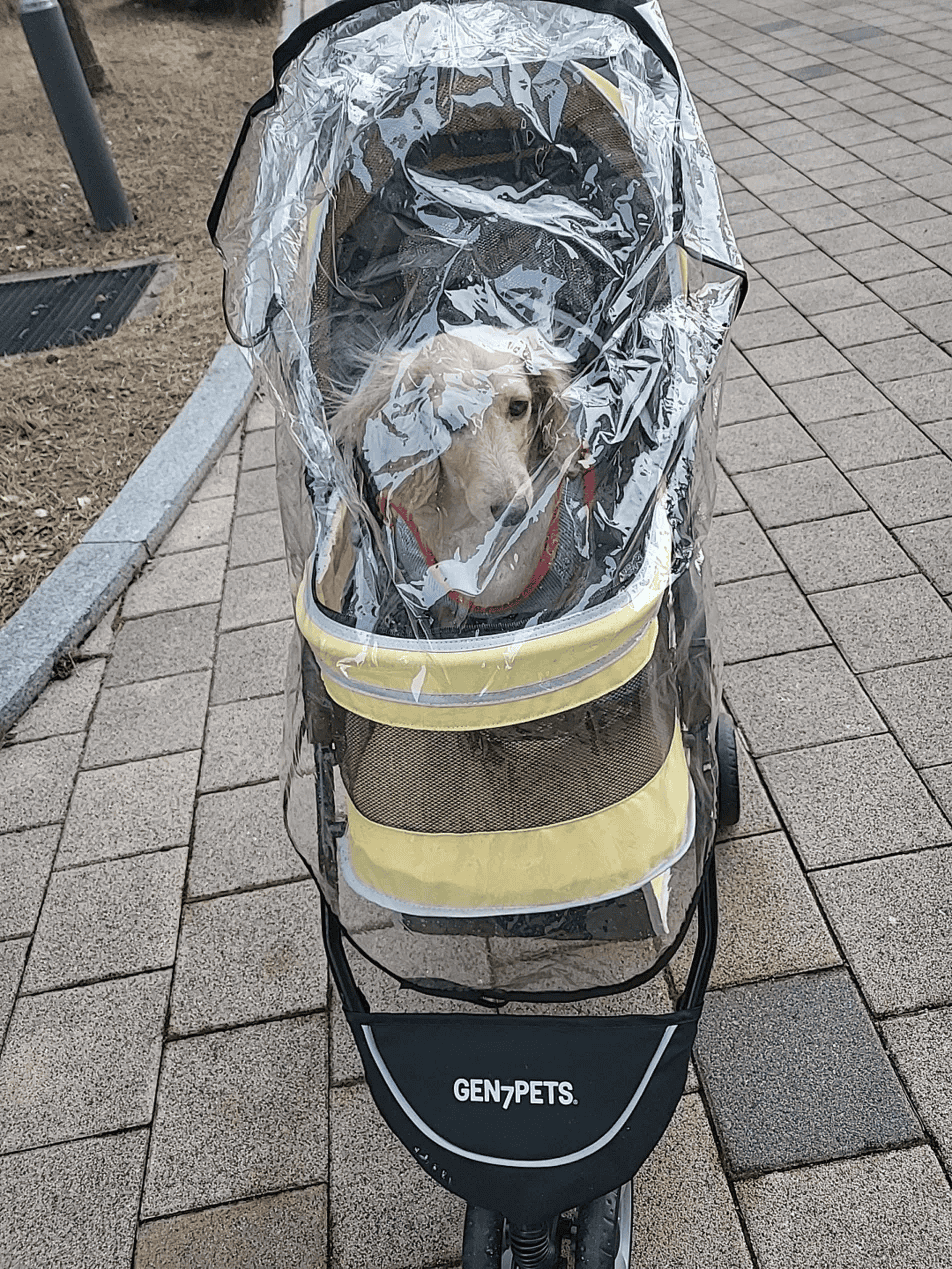
If you’ve ever watched your dog eat something off the ground before you could stop them, you know the dread that follows. That’s exactly what happened to us. Our cream longhaired dachshund got into something he shouldn’t have on a walk, and a day later he was at the vet with gastroenteritis — inflamed stomach and intestines — hooked up to IV fluids to get him rehydrated.
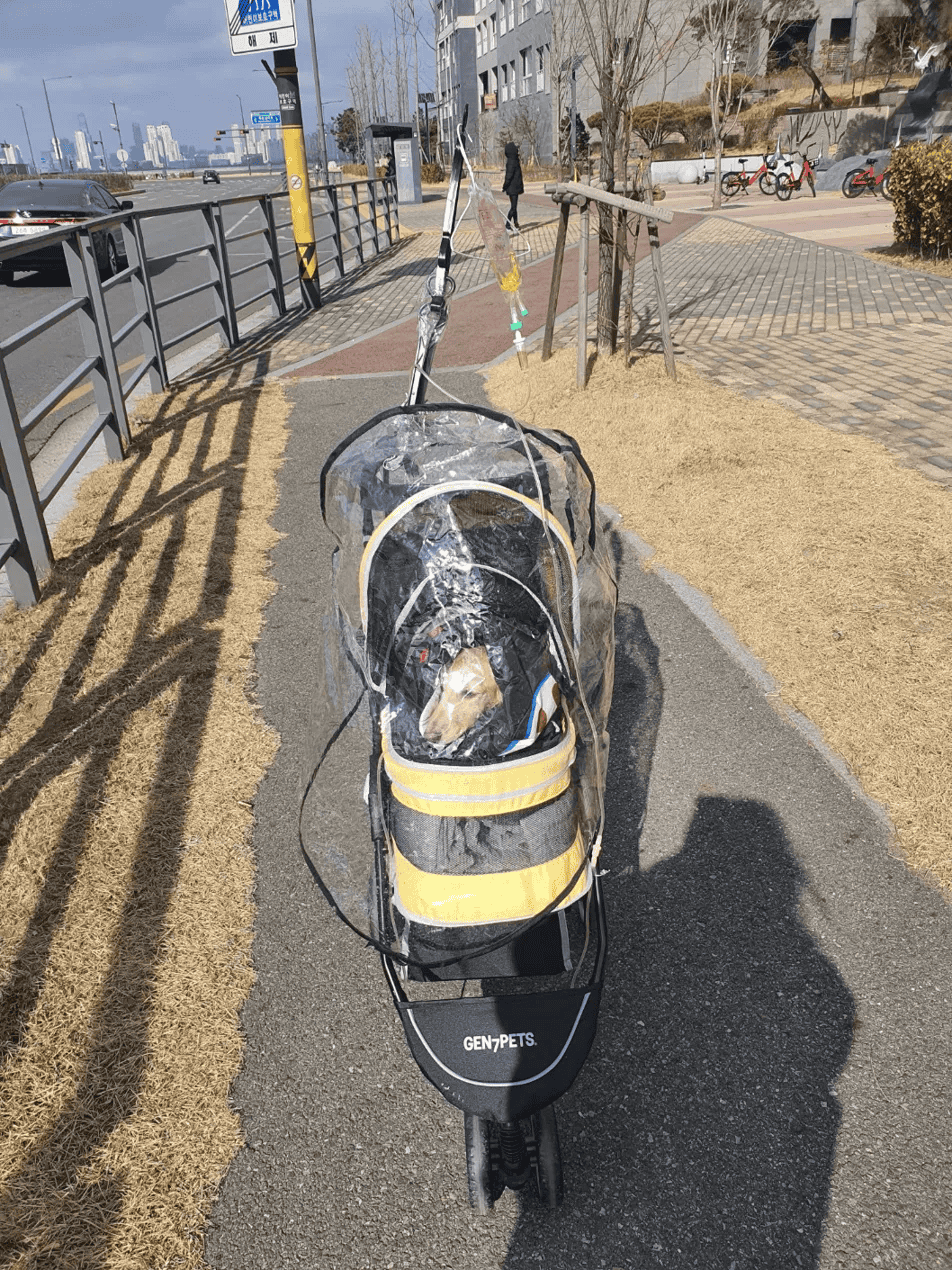
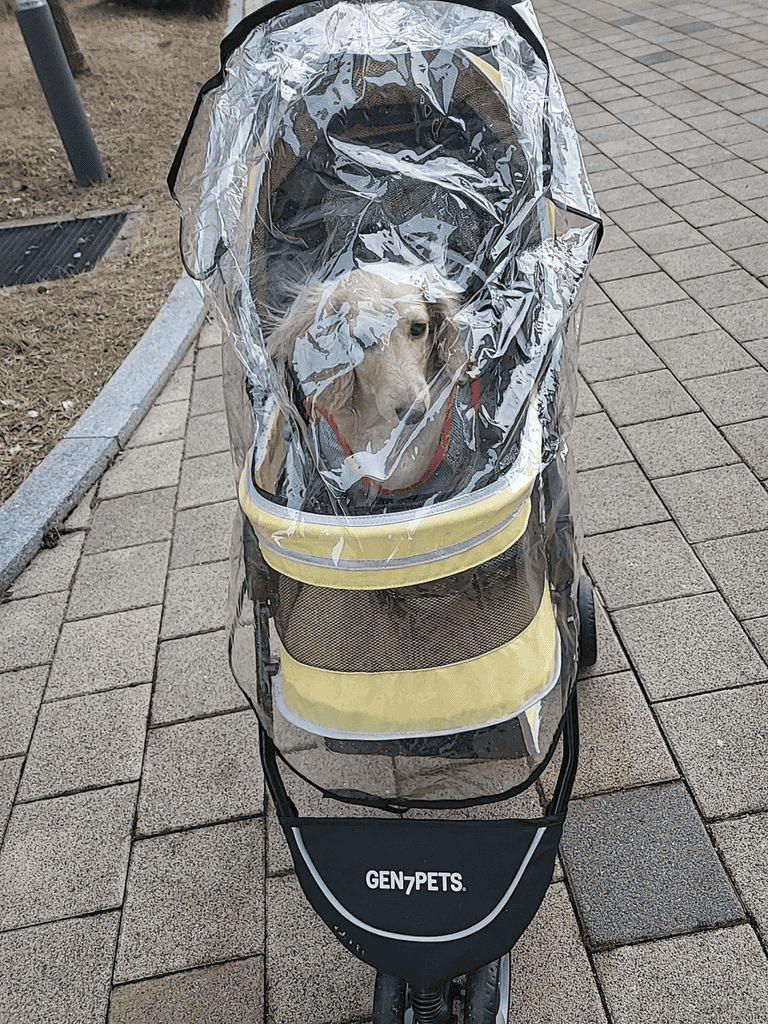
He still wanted to be outside. So instead of skipping walks entirely, we leaned on him GEN7PETS stroller with a full rain cover, IV line and all, for short, low-stress outings while he recovered. Here’s what that actually looked like, and what to keep in mind if you’re in the same spot.
What Happened
Dogs are notorious for what vets call “dietary indiscretion” — eating spoiled food, garbage, or something on the ground that they absolutely should not have. In our case, that one bad bite was enough to trigger vomiting and loose stools within a day. Our vet diagnosed acute gastroenteritis and started her on subcutaneous or IV fluids to correct the dehydration that comes with it.
According to VCA Animal Hospitals, gastroenteritis is inflammation of the stomach and intestines that can be triggered by infection, new foods, or eating something inappropriate, and most dogs improve quickly once they’re rehydrated and given time to rest. That matched what we saw — she perked up noticeably within a day or two of fluids, even while still finishing her recovery.
Why We Still Took Him Outside
A dog recovering from a GI upset still needs mental stimulation, fresh air, and a change of scenery — he just can’t handle the exercise, temperature swings, or exposure that a normal walk involves. A stroller solved that problem for us in three ways:
- No exertion. He could rest the whole time instead of walking, which matters when his body is already working hard to recover.
- Weather protection. The clear rain cover kept he dry and out of the wind, which is important when a dog’s temperature regulation is already stressed by illness.
- IV line management. We could route his fluid line through a gap in the cover and keep it steady on the stroller frame instead of trying to manage it while he walked on a leash.
How to Do This Safely
If your dog is recovering from gastroenteritis, an upset stomach, or is currently on fluids, a few things made this safer for us:
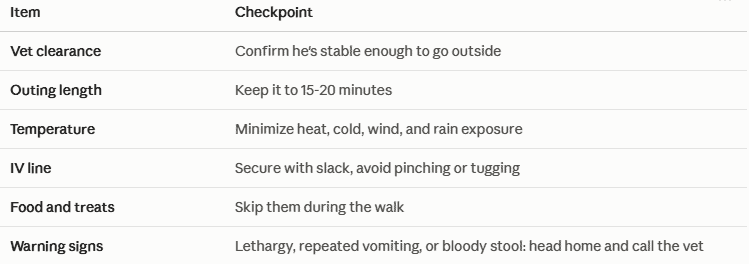
- Ask your vet first. Every case is different, and only your veterinarian knows whether your dog is stable enough to be outside at all, IV line or not.
- Keep outings short. We aimed for 15–20 minutes, just enough for some sun and sniffing without draining her energy.
- Watch the temperature. A sick dog can’t regulate body heat as well as usual, so we avoided extreme heat or cold and used the rain cover to block wind and wet ground.
- Secure the IV line. We made sure the tubing had slack, wasn’t pinched by the cover’s zippers, and couldn’t get tugged if she shifted position.
- Watch for warning signs. Lethargy that gets worse, repeated vomiting, or a dog that won’t lift her head are reasons to head straight back and call the vet — not to keep walking.
- Skip food and treats on the walk. Vets typically recommend withholding food for a set window during acute GI upset, so we left the training treats at home until she was cleared to eat normally again.
When to Skip the Walk Entirely
Not every day of recovery is a walk day. If your dog is vomiting repeatedly, has bloody diarrhea, seems painful when you touch him stomach, or is too weak to hold his head up, that’s a “stay home and call the vet” day, not a stroller day. We only took her out on the days he was alert, curious, and clearly bothered by being cooped up inside.
What We’d Tell Other Owners
The stroller wasn’t a way to avoid rest — it was a way to give him a break from the apartment without asking his body to do any actual work. If your dog is the type who gets restless and stressed when confined during recovery, a fully enclosed, weatherproof stroller can be a genuinely useful tool, not just a walk substitute for tiny dogs.
This post is based on our own experience and isn’t a substitute for veterinary advice. If your dog is showing signs of vomiting, diarrhea, lethargy, or dehydration, please consult your veterinarian before making any decisions about walks, food, or fluids.
FAQ
Is it safe to take a dog with gastroenteritis outside?
It depends on how stable your dog is. Short, low-exertion outings — like a stroller ride rather than a walk on leash — can be fine for some dogs once your vet confirms they’re stable, but always check with your veterinarian first.
Can I walk a dog that’s currently on IV fluids?
Only with your vet’s approval, and typically only in a stroller or carrier rather than on foot, since the priority is avoiding exertion and keeping the fluid line secure and untangled.
How long does gastroenteritis in dogs usually last?
Most acute cases improve within one to three days with supportive care and rehydration, though your vet should confirm your dog is responding as expected within that window.
What are warning signs that a dog needs to go back to the vet during recovery?
Repeated vomiting, bloody diarrhea, abdominal pain, lethargy that worsens instead of improves, or refusal to drink water are all reasons to contact your vet right away rather than waiting it out.
Suggested Internal Links
- Anchor: “best stroller for small and long-backed dogs” → target: gear/product review pillar post on dog strollers
- Anchor: “keeping your dachshund warm on winter walks” → target: seasonal/lifestyle pillar post on cold-weather care
- Anchor: “how to spot dehydration in small dogs” → target: future health pillar post
Suggested External Link
- VCA Animal Hospitals, “Gastroenteritis in Dogs” — https://vcahospitals.com/know-your-pet/gastroenteritis-in-dogs