Short answer: no, regular ice cream isn’t a good idea for dogs, even as an occasional bite. It’s not usually an emergency if your dog steals a small lick, but it’s not something to make a habit of either. Here’s why, what to watch for if it already happened, and what you can give your dog instead that actually resembles the real thing.
Why Regular Ice Cream Isn’t Safe for Dogs
Three separate issues stack up here, not just one:
- Dairy and lactose intolerance. Many dogs lose the ability to digest lactose well after puppyhood, so a serving of ice cream can mean an upset stomach, gas, or diarrhea a few hours later.
- Sugar content. Ice cream is loaded with sugar dogs don’t need, which contributes to weight gain over time — a bigger problem for smaller breeds where a few extra pounds is a larger percentage of body weight.
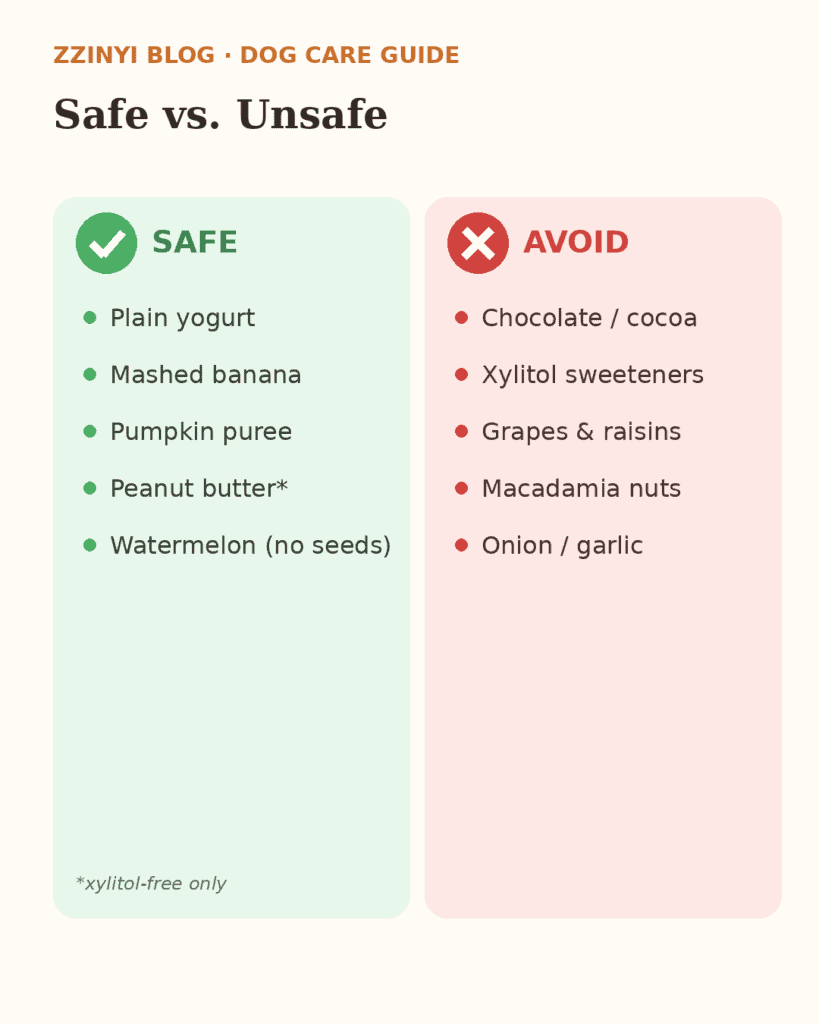
- Toxic add-ins. Chocolate ice cream, anything with xylitol (an increasingly common “sugar-free” sweetener), or mix-ins like macadamia nuts and raisins are genuinely dangerous, not just “not ideal.”
My Dog Already Ate Some Ice Cream — Now What?
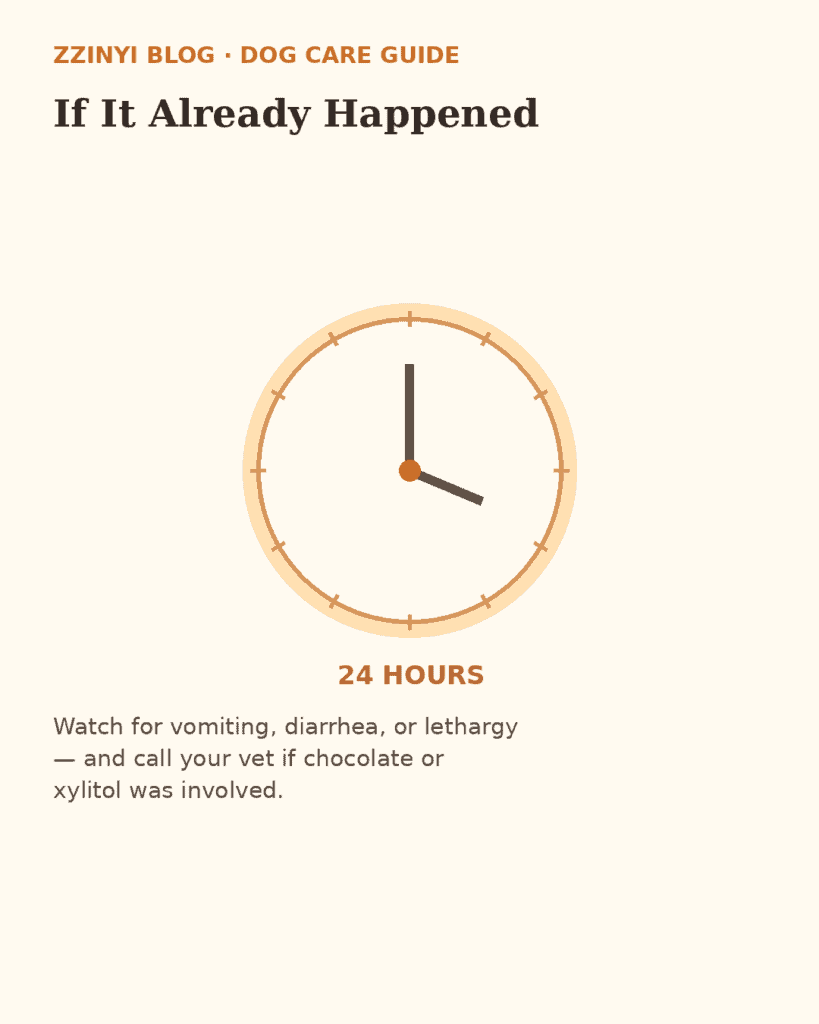
A small lick of plain vanilla is unlikely to cause more than a temporary upset stomach in most healthy adult dogs. Watch for vomiting, diarrhea, or lethargy over the next 24 hours. If the ice cream contained chocolate, xylitol, or any nuts, or your dog ate a large amount, contact your vet or an animal poison control line right away rather than waiting to see what happens.
Safe Alternatives That Still Feel Like a Treat
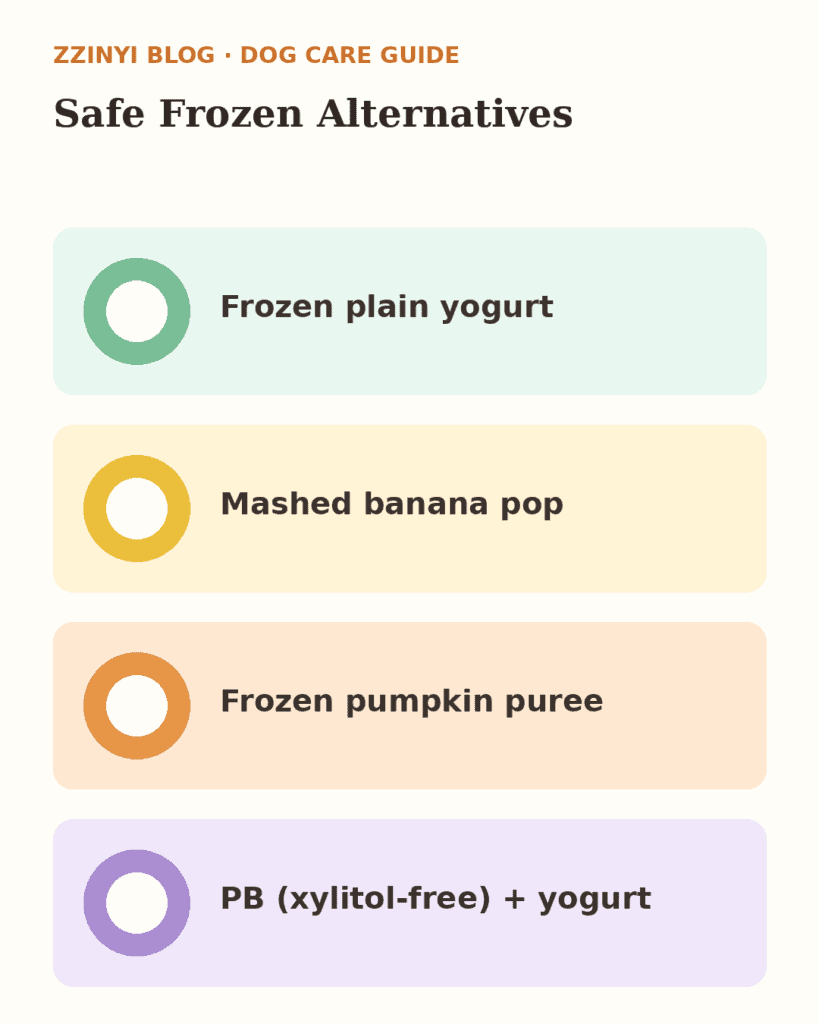
The good news is you don’t have to skip frozen treats altogether. A few swaps get you something dog-safe that still has the same appeal:
- Frozen plain yogurt — unsweetened, in small amounts, poured into an ice cube tray.
- Mashed banana popsicles — blended with a splash of water and frozen on a stick or in a mold.
- Frozen pumpkin puree — plain, not pie filling, which usually contains added sugar and spices.
- Peanut butter (xylitol-free only) mixed with plain yogurt — always double-check the label, since more “natural” peanut butters are starting to use xylitol.
Ingredients to Always Avoid in Homemade Dog Treats
How Much Frozen Treat Is Too Much?
Even a fully dog-safe version is still an extra snack, not a meal. For most small and medium dogs, a couple of tablespoons a few times a week is plenty — more than that starts adding meaningful calories to a diet that doesn’t need them. If your dog has a known health condition, is overweight, or has food sensitivities, check with your vet before adding anything new, frozen or otherwise.
FAQ
Can dogs eat vanilla ice cream specifically?
A small lick of plain vanilla is generally not an emergency, but it’s still not recommended as a regular treat due to dairy and sugar content.
Is frozen yogurt safer than ice cream for dogs?
Plain, unsweetened frozen yogurt in small amounts is a better option than ice cream, but it should still be occasional, not a daily treat.
What if my dog is lactose intolerant?
Skip dairy-based treats entirely and use a fruit- or pumpkin-based frozen treat instead — these avoid the digestive issues dairy can cause.
Are dog-specific “ice cream” products at pet stores safe?
Many are formulated without lactose or xylitol, but always check the ingredient label yourself rather than assuming — formulations vary by brand.
Let’s see Zzinyi’s experience.